
By James Kenney
Gorgeous Europeans:
Notes on a Vanished Cinema (An ongoing investigation of commercial European cinema of the second half of the 20th century)
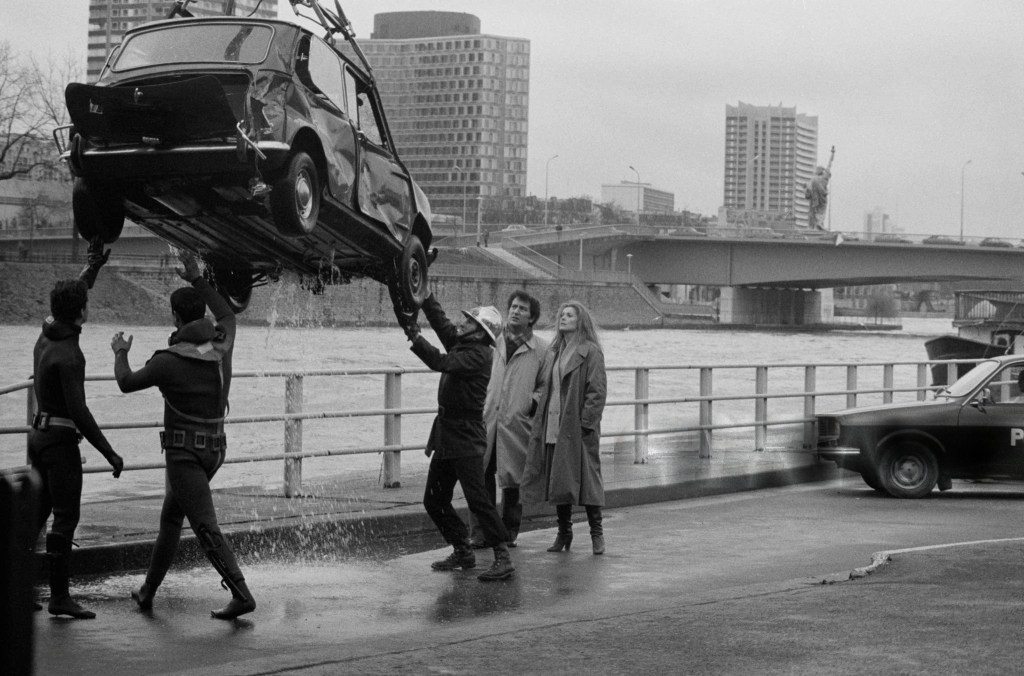
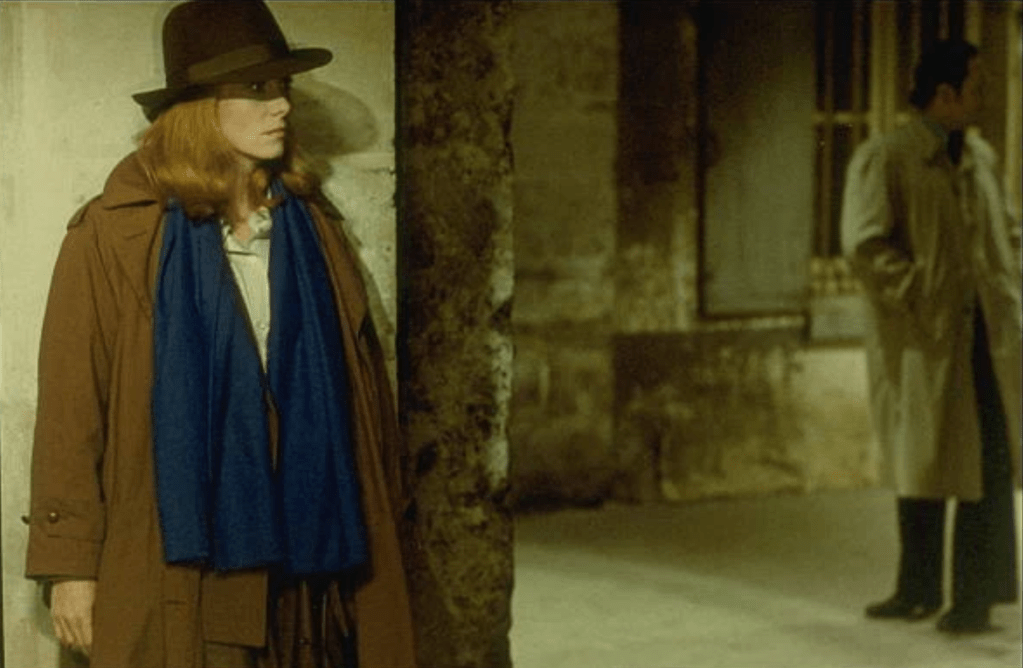
Ecoute Voir… deserves to be better known: either as a French example of paranoid 1970s cinema a la Marathon Man, The Parallax View or Three Days of the Condor, or as a sleek French thriller where style trumps logic, à la Diva, or as an oddball attempt to shoehorn Catherine Deneuve into a Humphrey Bogart private-eye role (the experiment? A success!), or as a prime example of pretentious French cinema (Deneuve’s private eye takes time out to go see a Mizoguchi film — alone! — during the daytime!! — when most films would, you know, advance the plot). Or is it perhaps a Blow-Up-ish look at the manipulation of technology in relation to crime? (There is a lengthy sequence where Deneuve and an associate try to dismantle an audio tape’s hidden contents.)
At any rate, it should be better known. It’s a keeper!
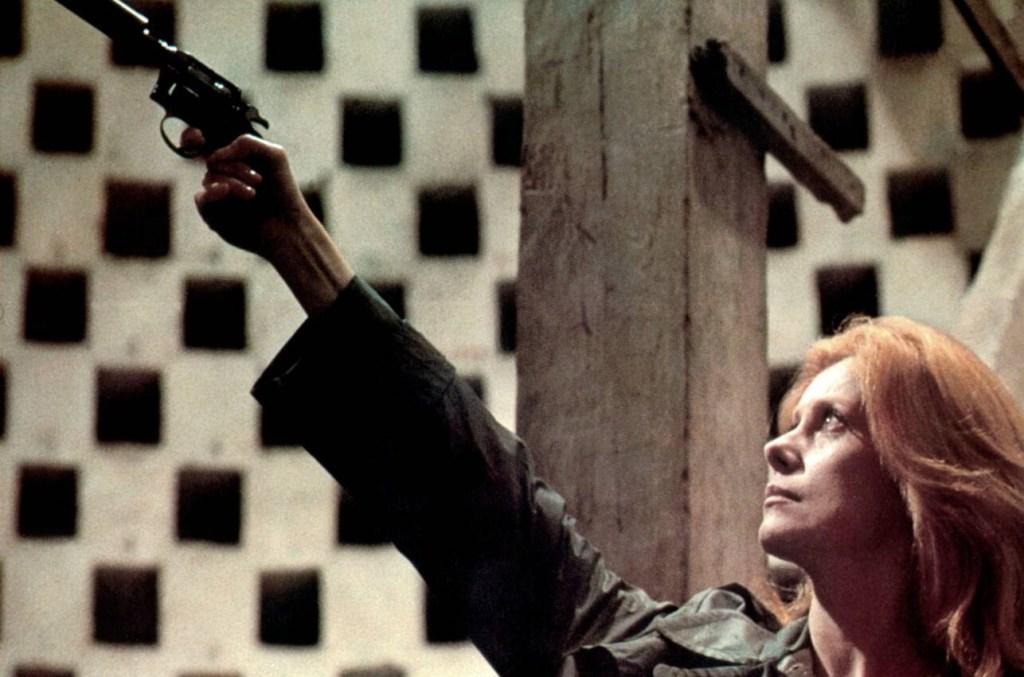
Ecoute Voir… translates roughly to “Listen Now,” which makes sense as the film is a largely auditory thriller about mind manipulation via recorded hidden audio cues that can control large numbers of people at a time (there’s also a Michael Crichton-ish sci-fi element to this! It’s like a precursor to Runaway and Looker!). A fashionable, growing Parisian religious cult is trying to gain control of it and also are menacing a wealthy young aristocrat for reasons not initially clear. For some reason, on websites the English title is listed as See Hear My Love, which I don’t have a problem with, but as far as I can tell the 1979 film was never released in the U.S. — not even at the Paris Theater in New York City — and has had no video release here. So I’ll stick to calling it Ecoute Voir… (yes, the ellipsis is part of the title).
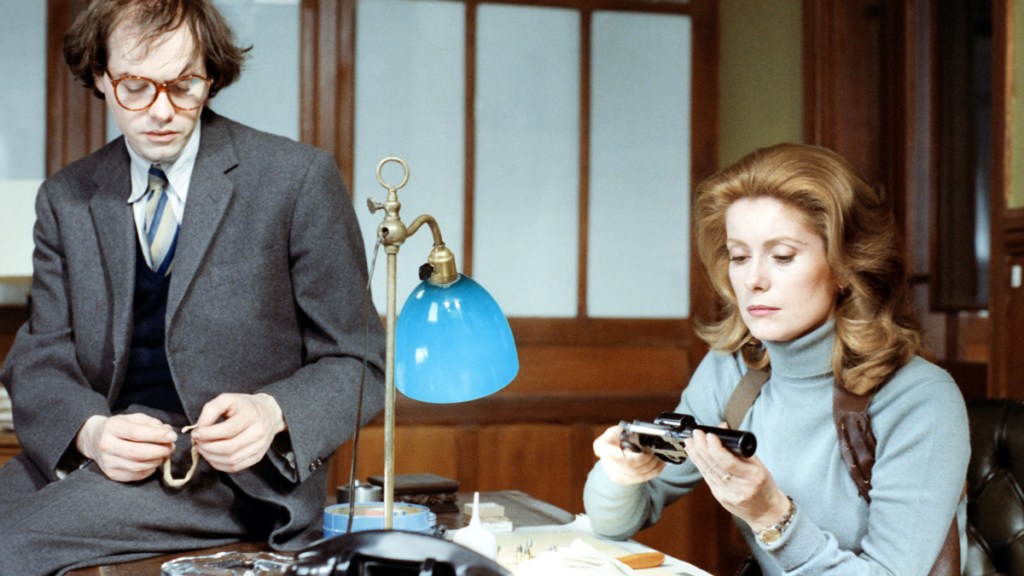
The film is weird in a wonderful Euro way. There are car pursuits, but in little European cars that don’t go very fast; people listen to discordant jazz and classical music while plotting to manipulate, control, and murder each other; and Deneuve cooly, wonderfully, plays a cryptic, unknowable private eye (named Claude Alphand) who goes both ways — a scene where she suddenly kisses another female character is unexpected and has a pretty intense charge — and is fairly plausible in her ability to fend off assailants and hit her targets when she shoots. The film shows her methodically practicing her shooting, which comes in handy when she has to fire on a human target, and that same concentrated rigor is on full display when she unleashes some pretty awesome close-quarters fighting on much-larger assailants who have tailed her. You can believe she put in the work.
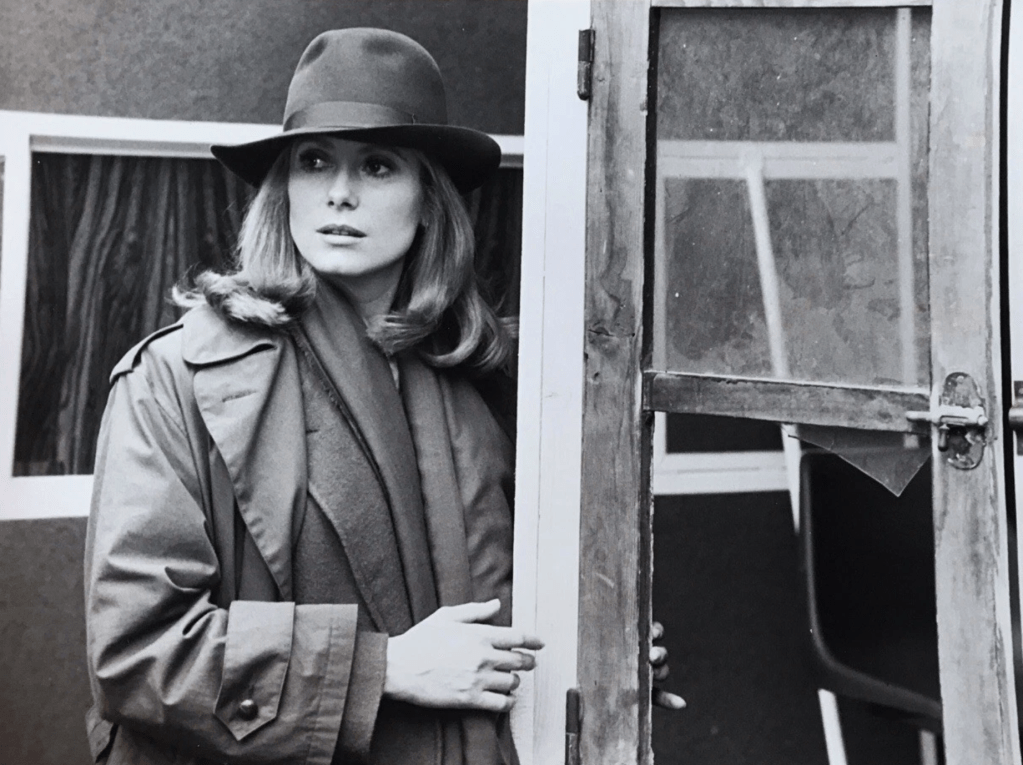
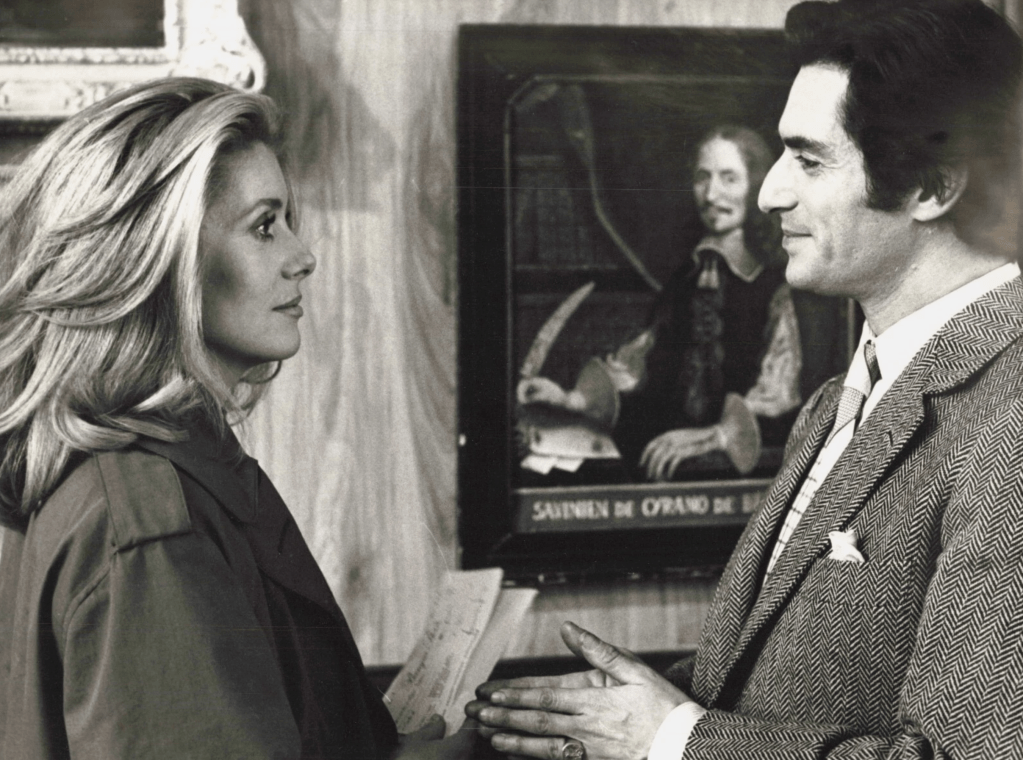
She also apparently had a past in police work, although her history (like much of the film) isn’t exactly clear. Ecoute Voir… is clearly proud of its gaps, repetitions, and unclear motivations. She is summoned to a crime scene by an Inspector Mercier who respects her, yet another detective shrieks his disgust at her upon sight; what led to all this respect and disgust is never explained, which is pretty cool. Hired by the aforementioned young aristocrat, Arnaud de Maule (Sami Frey), to investigate why his decaying palatial estate has been drawing unwanted visitors, Deneuve’s icy reserve is excellent as she warily gauges the characters around her. Argentinian director Hugo Santiago willfully keeps information from us as long as possible, including her possible past romantic relationship with a woman, Florence Delay, who has recommended her to de Maule.
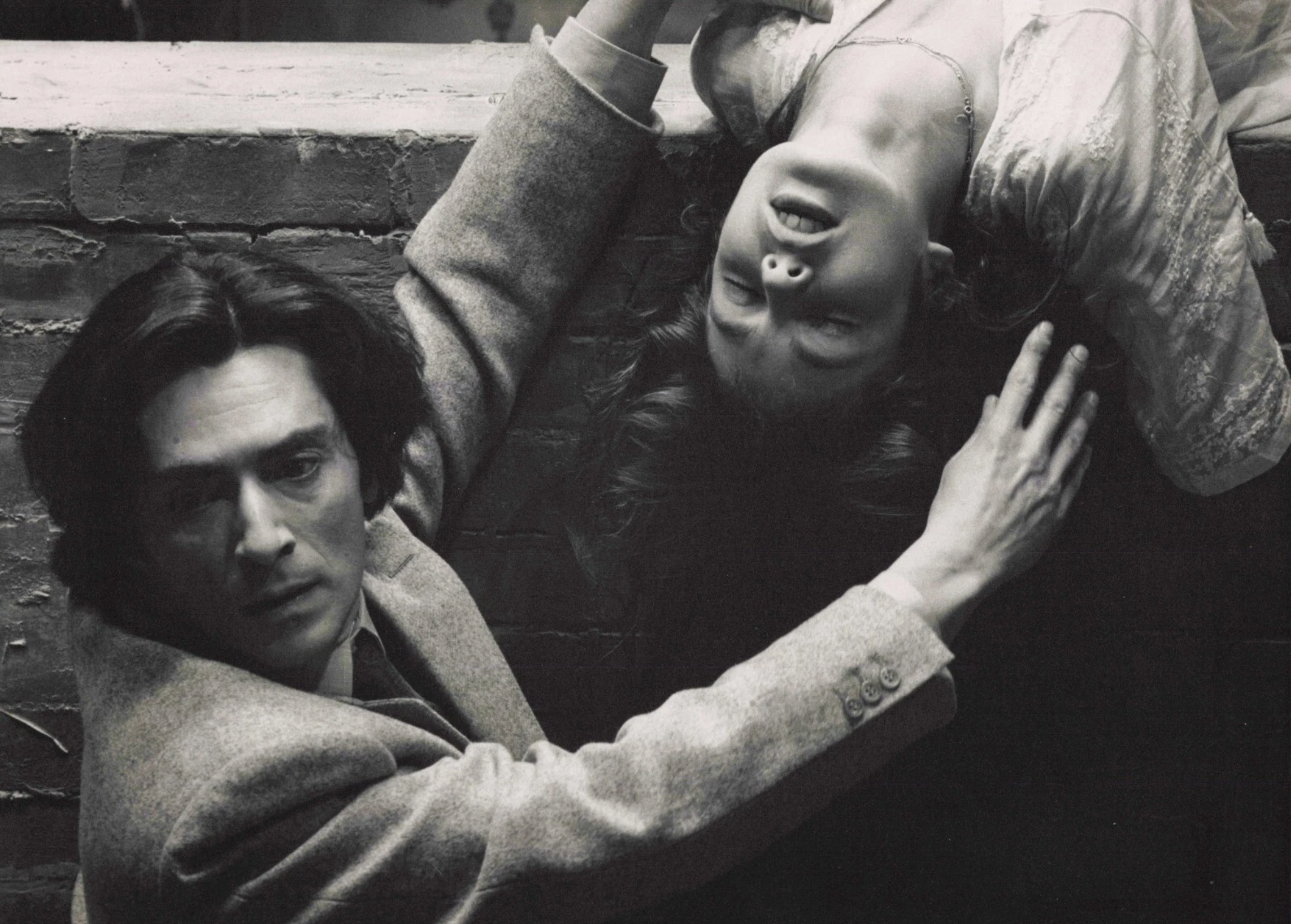
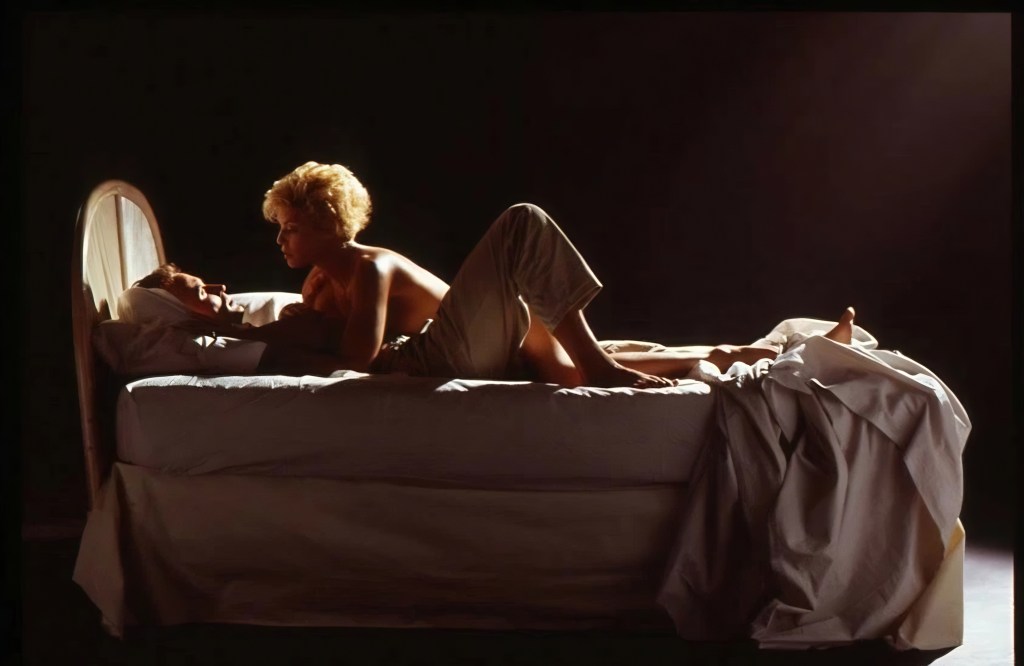
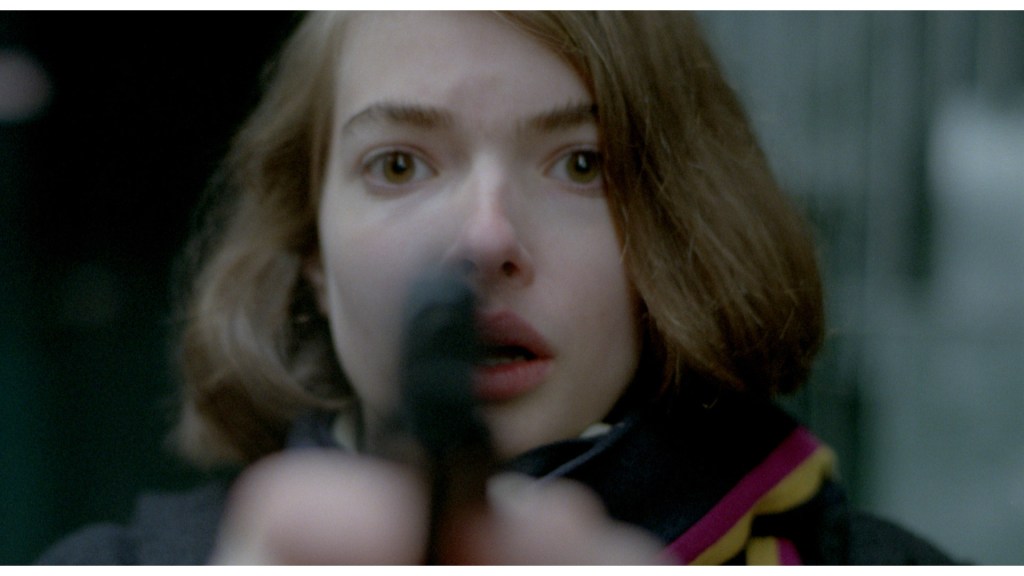
Relationships are confused: Delay, despite dragging Alphand into this mess, doesn’t seem to much like de Maule, Alphand, or the young Chloe — played by a pre-La Femme Nikita Anne Parillaud — with whom de Maule is smitten. Chloe has been kidnapped by the religious cult (the Church of the Final Revival), which has possibly drugged her and definitely seems to want to keep her for their own elusive purposes. Their larger ambition may be nothing less than world domination, achieved through a futuristic technology that Deneuve stumbles upon in some quite strange and effective sequences where people are manipulated without their knowledge. Nothing is particularly spelled out, including why we learn that de Maule is related to the real Cyrano De Bergerac(!). Deneuve may partake in a threesome (I guess this would be the right time to go with “menage a trois” as it is a French film and all) at a key juncture, but even that isn’t wholly clear. So pay attention, folks!
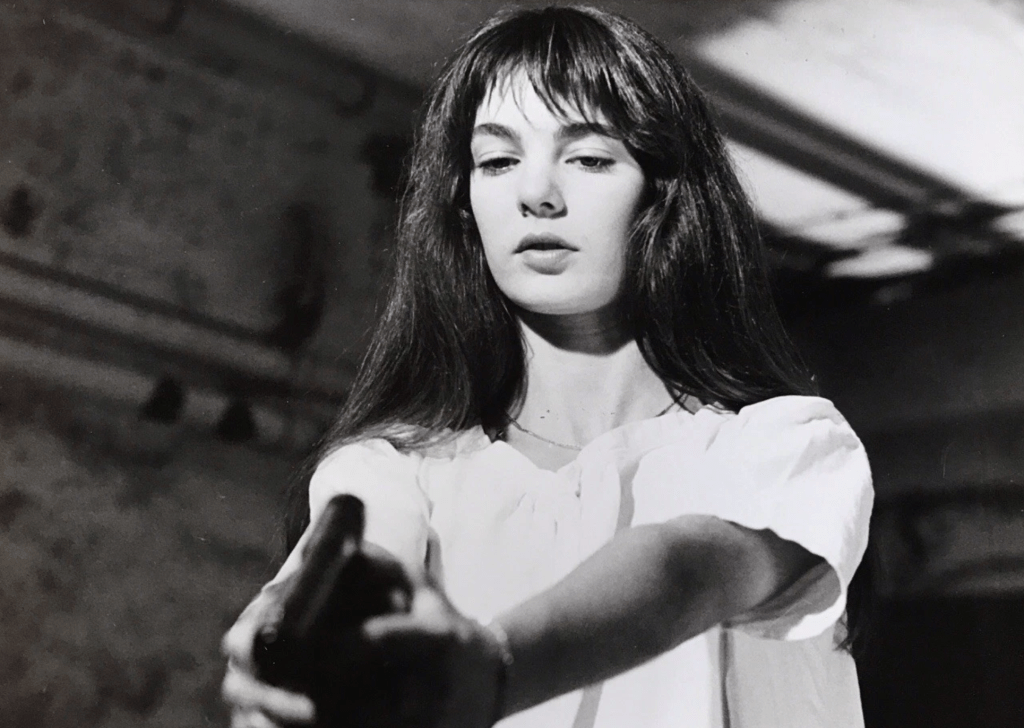
What is it all about? Who can say (shades of The Big Sleep!), except that Deneuve is excellent and compelling as a fairly unknowable private eye who, like a more humorless version of Elliot Gould in The Long Goodbye, seems resolutely passive until pushed past certain boundaries. Parillaud has a kind of ethereal, slight presence here — one can’t quite imagine her doing anything normal, like taking the garbage out — that works well, and director Santiago mixes some perhaps too self-consciously arty staging and editing tricks with some impressive suspense and choreography (characters often pop into frame in interesting ways).
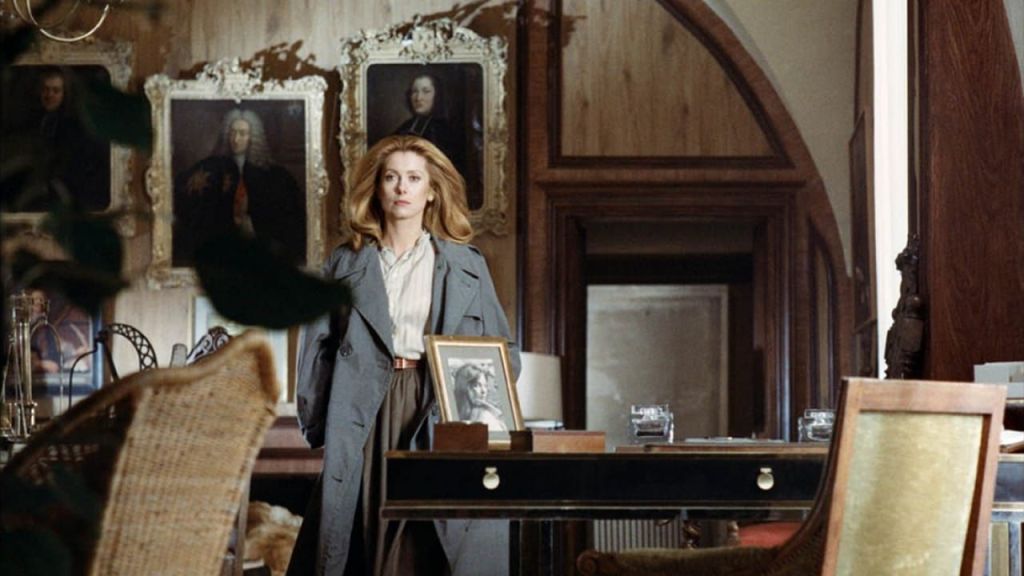
So while the plot is somewhat impenetrable, and is likely to frustrate viewers who prefer straightforward Hollywood-style narratives, it’s pretty damn thrilling to see Deneuve in this private eye part, ahead of her time as a non-apologetic, no-nonsense bisexual female action hero. The soundtrack is sophisticated and elaborate, the film has an appealing 1970s “French chic” about it, and the film’s literary and genre influences are unusually rich, drawing on Raymond Chandler, of course, but as one IMDB reviewer noted, also with shades of Jules Verne and the early French serial tradition of Fantomas and Feuillade. This is good stuff. I was still fairly befuddled by certain (key?) things as the film ended, but I didn’t feel cheated. I watched this on a bootleg DVD copy of a long out-of-print French DVD onto which someone had burned English subtitles (I am grateful!), and I hope Kino or somebody gets it out there. It’s pretty odd, and pretty cool.
-30-




Leave a Reply