By James Kenney
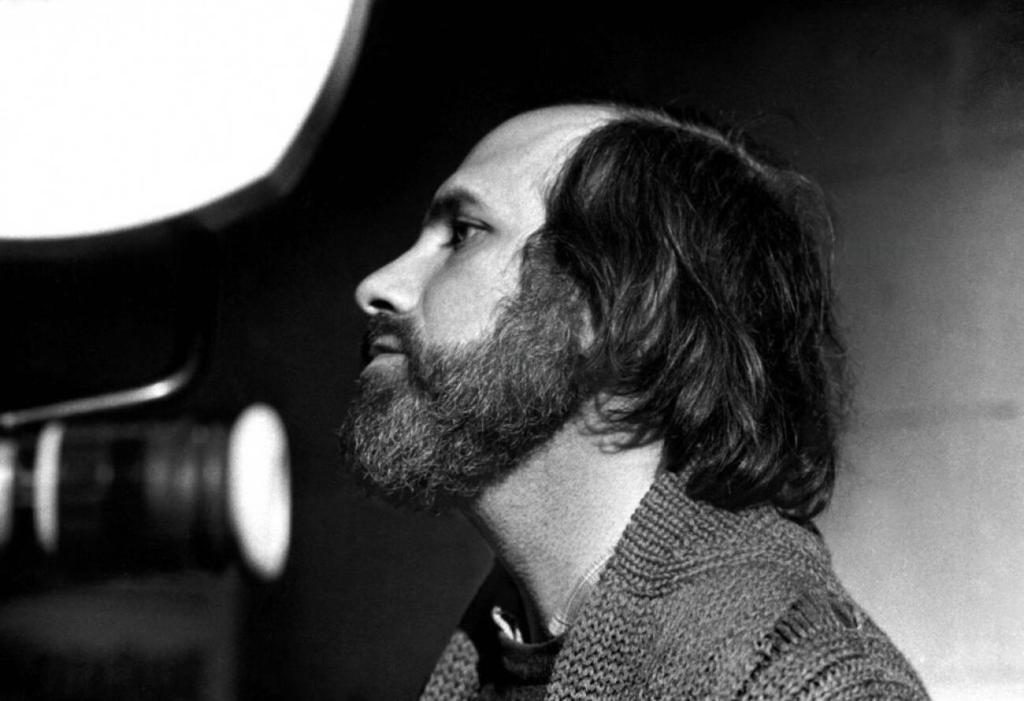
Brian De Palma has endured as one of the most dazzling, divisive, and endlessly debated auteurs in world cinema. A filmmaker whose career spans over five decades and who has, at various turns, been dubbed a master of suspense, a master of style, a master of pastiche, and a master of provocation. But perhaps the title that really fits De Palma best is this: the preeminent master of being misunderstood.
Few major directors have generated such consistently visceral responses—rapturous admiration from wiser quarters, and exasperated dismissal from misguided others. His films don’t simply entertain; they provoke, unsettle, implicate. And in a culture increasingly allergic to ambiguity, De Palma’s slippery, labyrinthine moralities and ruthless, scrutinizing camera have often made him a target.
His body of work is formidable, and, I’d argue, unassailable. Sisters (1973), Phantom of the Paradise (1974), Obsession (1976), Carrie (1976), The Fury (1978), Dressed to Kill (1980), Blow Out (1981), Scarface (1983), Body Double (1984), The Untouchables (1987), Casualties of War (1989), Raising Cane (1992), Carlito’s Way (1993), Mission: Impossible (1996), Snake Eyes (1998), Mission to Mars (2000), and Femme Fatale (2002) are not just milestones in expressive filmmaking, they are masterclasses in cinematic language, in the grammar of image, motion, and emotional engineering. Like a painter with a blade for a brush, De Palma composes images that seduce and wound. His frames bleed tension. His split diopters and overhead shots don’t merely dazzle—they confront and unmask. And his mise-en-scène is less “blocking” than choreography: each scene plated with the precision of haute cuisine, ingredients balanced to the millimeter, garnished with dread or desire.
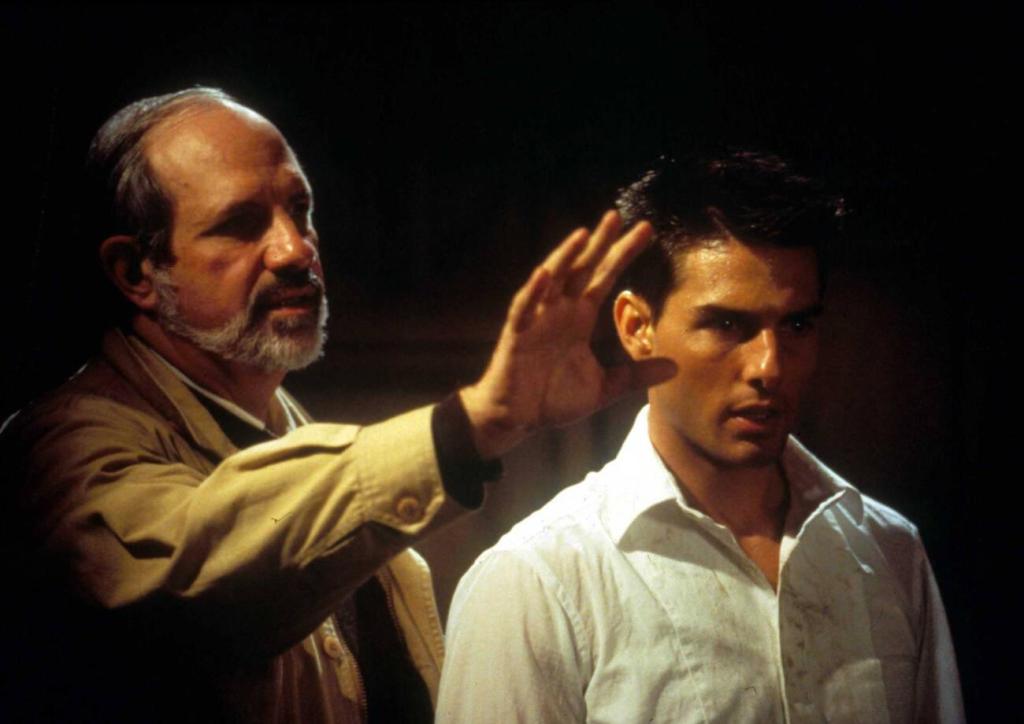
Too often accused of misogyny, De Palma is, in truth, one of cinema’s most complicated feminists. De Palma is a director who doesn’t just show violence but interrogates it, who refuses to anesthetize audiences from horror. In his most devastating works (Carrie, Casualties of War, Blow Out, the deliberately abrasive, ethically uncompromising Redacted), the camera becomes a witness, not a voyeur—steadfast, unblinking, moral. Unlike directors who cut away or soften the blow, De Palma lingers, holds, traps us with the characters, forcing us to see, to feel what they do. He does not offer safety, but empathy. In a medium where carnage is often presented indifferently, De Palma dares to implicate the viewer, compelling it to turn the gaze back on itself.
It is from this position—of formal brilliance, moral confrontation, and perennial misreading— that Ambrose Chapel emerges. And yet, this unproduced screenplay from the mid-1990s feels like a strange child of that lineage: laced with menacing whimsy, Ambrose Chapel is De Palma pivoting toward genre inversion with reflexive glee.
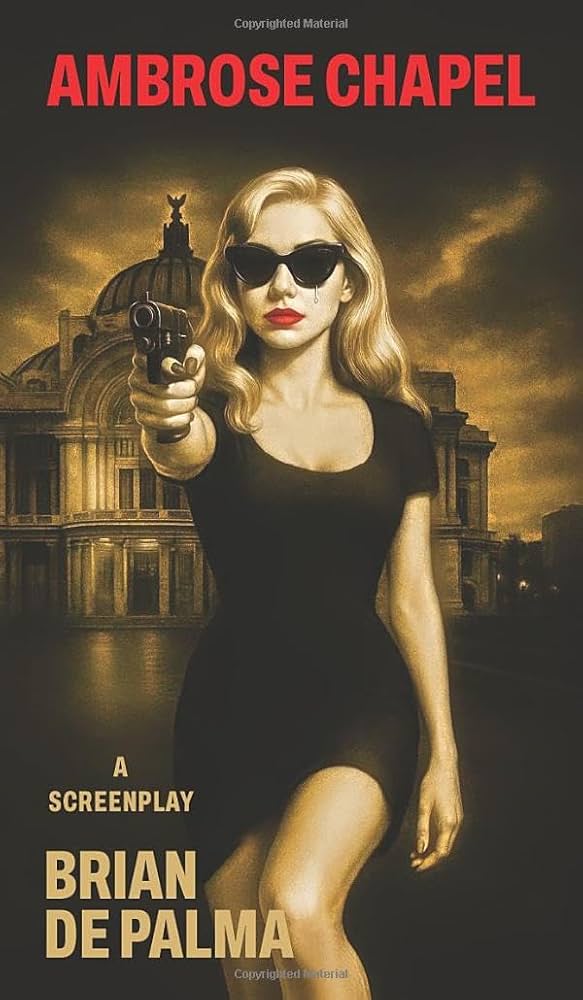
Chapel is a revelation. An unproduced, richly imagined screenplay that plays like a screwball thriller built atop the ruins of Cold War paranoia, Hitchcockian homage, and the director’s lifelong obsessions with voyeurism, manipulation, and cinematic sleight of hand. It’s a cathedral of misdirection, simultaneously light on its feet and heavy with implication, where psychological trauma transforms into dark comedy. That such a film remains unmade is itself a twist worthy of De Palma: a secret masterwork hidden in plain sight, offering its most thrilling surprises not in projection, but on the page.
Reading Ambrose Chapel is like hearing an unreleased movement from a familiar symphony. It echoes earlier motifs but arranged in an entirely unexpected key. Its often comic tone and playful sparring between the leads mark a startling departure from the brooding gravitas of Casualties of War and the melancholic paranoia of Blow Out, yet its deeper structures are unmistakably De Palma. And it is precisely this lightness, this tonal pivot from requiem to scherzo, that makes Ambrose Chapel so intriguing. It emerges not from a place of triumph but from the ashes of disillusionment, following the one-two sting of Casualties of War, a masterpiece met with indifference, and the slow unravelling of The Bonfire of the Vanities (1990), a high-wire studio effort that never found balance. From that silence, De Palma didn’t retreat: he recalibrated. And when he returned, it was with a new movement: not louder, but quicker, trickier, more playful.
The Ethics of Bearing Witness: Empathy and the Unflinching Eye
Across his body of work, Brian De Palma has been accused of lurid observation, excess, even sadism, but what too often goes unrecognized is the profound moral architecture underpinning his most emotionally resonant films. He is not merely a stylist; he is a concerned witness. In Casualties of War, this role is explicit: the camera refuses to look away, even when every instinct tells us to blink.
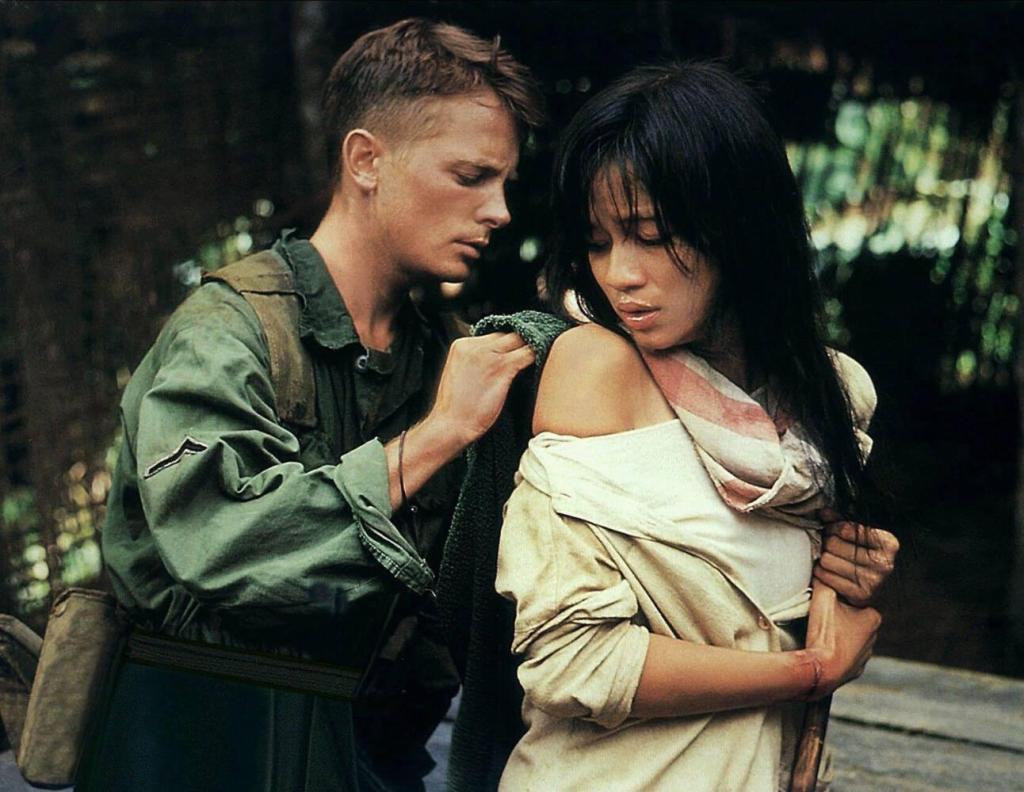
Michael J. Fox’s wholly decent, honorable Eriksson becomes the director’s surrogate, a powerless bystander whose refusal to look away transforms witnessing into an ethical act (he watches helpless as fellow soldiers kidnap, rape and kill a girl). By holding on the victim’s suffering, the film insists on her humanity as its moral center, not a narrative instrument to motivate male anguish. Cutting away, the film suggests, is how audiences are trained to survive atrocity without reckoning with it; ellipsis anesthetizes. Casualties of War resists such anesthesia, arguing that sustained attention to pain is not exploitation but recognition; the grim acknowledgment that a life is being extinguished, and that life matters. Ennio Morricone’s aching score certainly doesn’t glorify, it grieves. When the young victim is marched across a bridge, the camera doesn’t cut to action or reaction. It lingers time stretches into mourning.

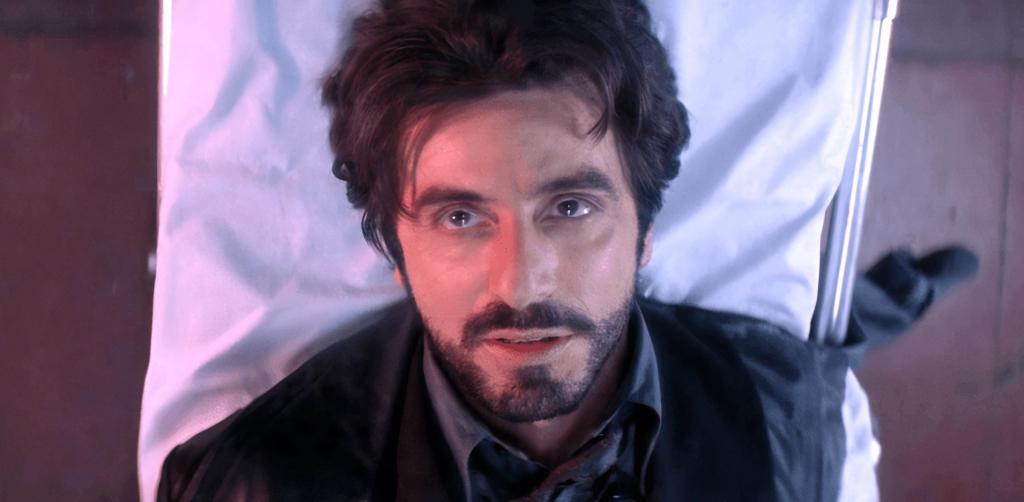
But this ethic of compassionate witnessing is not limited to Casualties. In Carrie, De Palma composes scenes of cruelty and isolation with painterly precision, only to detonate them with emotional vengeance. The blood is real, the humiliation unforgettable, but the camera is never indifferent. It suffers with Carrie. Blow Out, perhaps his most politically despairing film, offers a film sound man (John Travolta) who uncovers a murder through technology, only to realize that his efforts to expose the truth are powerless against a system that feeds on spectacle. The final, desperate scream of a beloved but doomed character recycled by a lost Travolta as a movie sound effect is not a punchline but a tragedy: bearing witness is not always enough. In Carlito’s Way, De Palma’s gaze follows a man trying to escape his past, but his world will not allow it. It is a film steeped in regret, narrated by Carlito (Al Pacino) with the clarity by someone who begins the film witnessing his own death, knowing before the story unfolds that he cannot escape unscathed the celluloid frame in which he temporarily survives to relive past mistakes.
And in The Black Dahlia (2006), that cinematic frame hardens into a trap. In the film’s most haunting sequence, a screen test of aspiring actress Elizabeth Short (Mia Kirshner) plays out as a slow, cynical seduction—by both the offscreen director and the complicit audience. We are partners in her exploitation: eyeing her with curiosity, then sensuality, then discomfort, as the audition becomes less about performance than power. When she is introduced through disquieting scenes of her screen tests, the horror is sharpened, not just by the violence we already know will befall her, but by our own role in the chain of spectatorship that renders her vulnerability all the more tragic. As its mutilated, abandoned murder victim, she is the film’s center, and the horror is doubled, not only by the violence done to her body, but by our uneasy complicity in watching her emotional unraveling unfold through the gaze of her exploiter(s).
De Palma reckons with that ethical stance further in Body Double, Mission: Impossible, and Domino (2019). These are also films obsessed with complicity, with characters who witness but don’t/can’t/won’t act—or act too late, as hesitation proves fatal pause, leaving trusted companions and vulnerable strangers dead, the guilt lingering, an unresolved chord. These films don’t just question whether seeing is believing; they probe the guilt that stems from bearing witness yet remaining powerless to intervene. The camera draws us in, implicating us. We enjoy the view. We crave the reveal. And then we’re left to confront the unsettling truth we’ve absorbed.
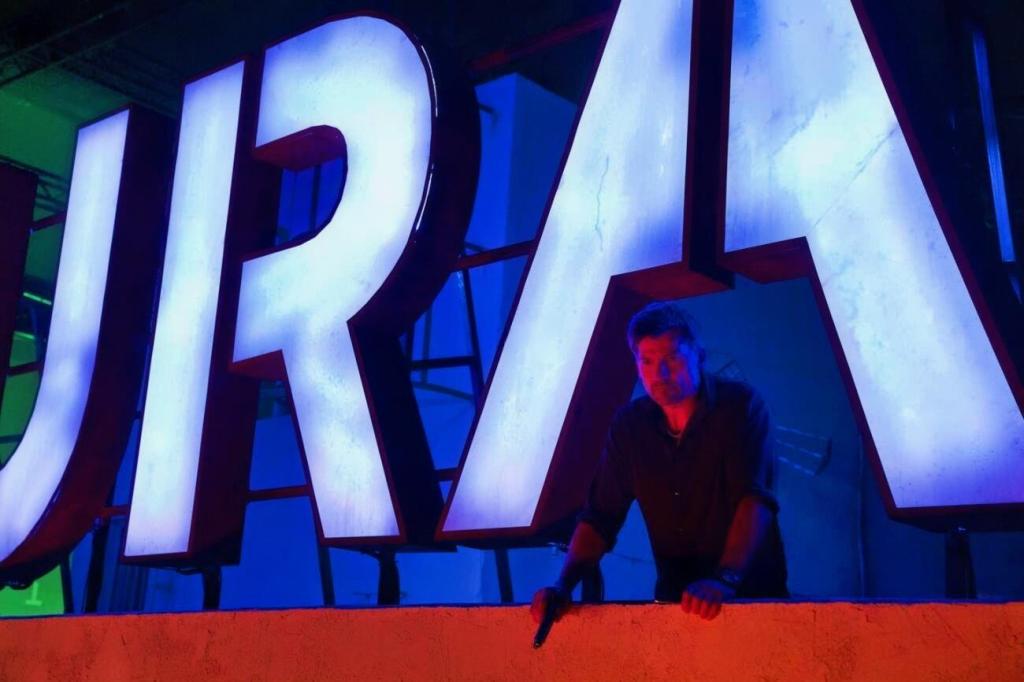
De Palma’s greatest trick may be that he turns the tools of spectacle against themselves, a subversive impulse that, despite his success with big-budget action spectacles like The Fury, Scarface, The Untouchables, and Mission: Impossible, kept him from ever being fully embraced by the industry as a reliable architect of mainstream blockbusters. His signature flourishes—split diopter lenses, slow motion, baroque compositions—never anesthetize violence; they magnify its trauma. His camera doesn’t shield us from horror; it locks us inside it.
Can De Palma’s use of such cinematic devices at times be perceived as acts of sadism? From one angle, sure. They can feel punishing, even cruel, in their refusal to let us look away. But that discomfort is the point. The ultimate ambition is disquietingly moral: to make us feel, not escape; to confront violence not as abstraction, but as an emotional fact that carries weight. In a medium built on illusion, De Palma wields style to pierce through to deeper truths, evoking genuine emotions and psychological intensity that few filmmakers dare to reach. This may be why disquieting masterpieces Casualties of War and Blow Out, for all their craft and clarity, were met with discomfort. They prove too effective, too exposed. They offer no opportunity for relaxed detachment. Like so much of De Palma’s best work, they hold up a mirror too close to the audience’s face and refuse to flinch. The final image of Casualties, a ghostly echo of a girl who cannot be saved, offers no release, only resonance. A masterpiece, yes, but one that ends its movement on a note of unresolved dissonance.
Raising Cain and the Pivot Back to Play
After the box-office collapse of Casualties and the infamous implosion of Bonfire, De Palma found himself at cross-roads. The composer had lost his orchestra, his control diluted by studio interference; his intentions misread. But instead of chasing safe hits or retreating into silence, De Palma turned inward, toward the very techniques and tonalities that first defined his voice.
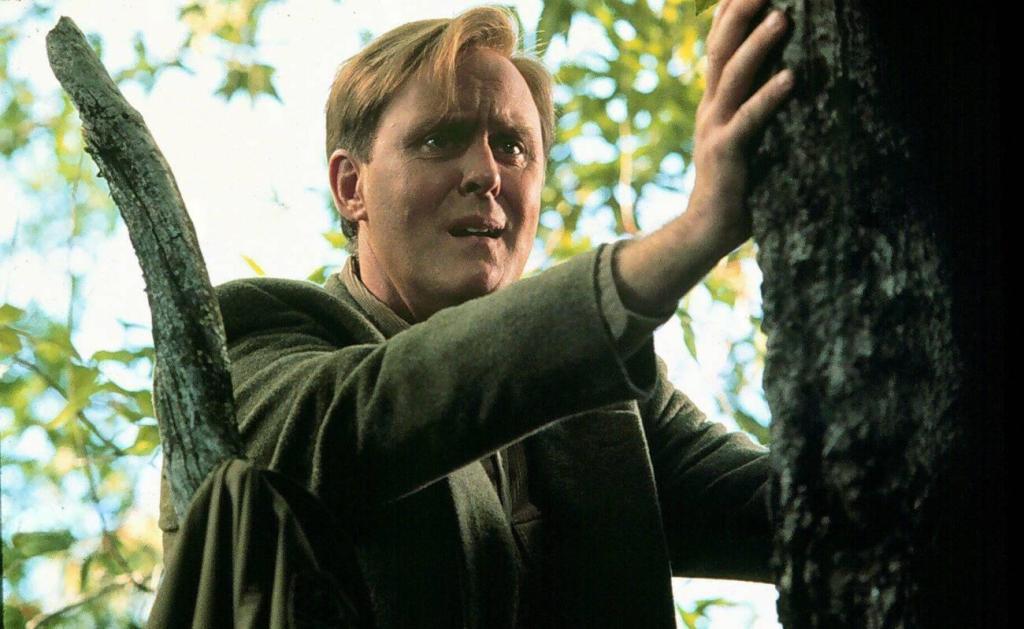
The result was Raising Cain (1992), a lower-budget thriller that plays like a fragmented fugue (particularly in its director’s cut, restored on Blu-ray). It’s brash, unrestrained, and gleefully self-referential. A De Palma film about De Palma films with doubles within doubles, unreliable perspectives, and a flamboyant father figure splitting his child’s psyche in two. In Cain, the camera moves not with solemnity but with swagger; the split diopters, dolly shots, and dream logic return not to moral reckoning but to psychological mischief.
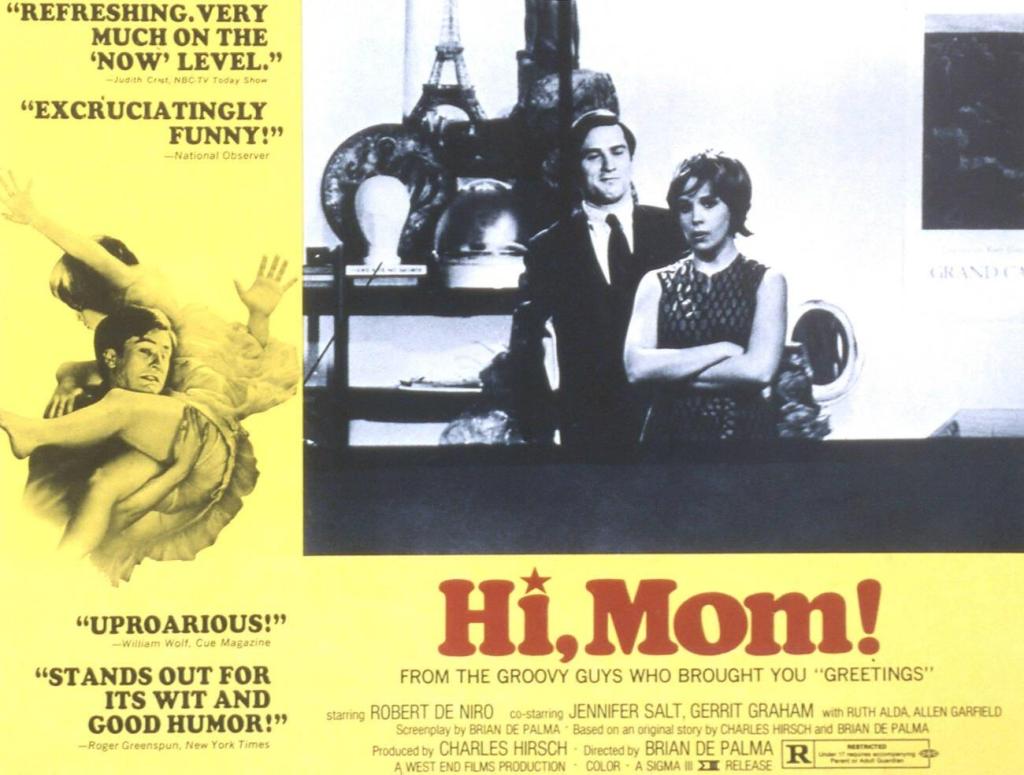
It was here, in this more agile, trickster register, that De Palma began composing anew. And from that rediscovered sense of play came Ambrose Chapel, a script that channels the delirium of Raising Cain and foreshadows the doubling games of Femme Fatale yet delivers them with a wink remi-niscent of De Palma’s early subversive comedies, Greetings and Hi, Mom!, rather than with a scabrous wound.
From its opening scenes (an apparent tale of CIA operations unfolding in the Middle East), Ambrose Chapel adopts the sleek posture of a geopolitical thriller, all international intrigue and stealthy rescues. But before we’ve even found our footing, the games are already in motion. The surface moves like an action film, but the ground beneath is constantly shifting. Narrative certainties dissolve, and perception itself becomes the game. De Palma initially wraps his signature paranoia in the garb of an international spy film, but the stitches are false, the seams intentionally frayed. Beneath the genre facade, the machinery of misdirection is already in motion. The suspense is real, but so is the sleight of hand—setting the stage for a film that never stops rearranging its own narrative furniture.
A monstrous father figure again emerges—a broker of shadow-state intrigue and a manipulator of his own child’s psyche—replaying a familiar chord from Raising Cain, Sisters, and Mission: Impossible. But here, the controlling patriarch becomes almost farcical, a puppet master whose strings are just as tangled as the narrative itself. The plot is intricate but elegantly paced, its web of surveillance, shifting loyalties, and misread intentions drawn so tight that even the antagonists are left scrambling to understand the bigger picture. That pervasive uncertainty isn’t a flaw, it’s part of the film’s sly appeal. In Ambrose Chapel, no one—not even the bad guys—has a firm grip on the truth, and that sustained disorientation becomes a source of both suspense and dark amusement.
What’s new is the rhythm. The screenplay’s lead characters, an earnest psychiatrist and put-upon newscaster, don’t just navigate the maze—they dance through it. Dialogue crackles, gags land mid-chaos (watch out for that figurine collection!), and danger is met not with dread, but delight. Ambrose Chapel is a screwball thriller in darker clothing, and, ultimately, a romantic comedy stitched together from the paranoia and cinematic trickery of De Palma’s earlier psychological thrillers such as Dressed to Kill and Blow Out and action films like Mission: Impossible and The Fury.
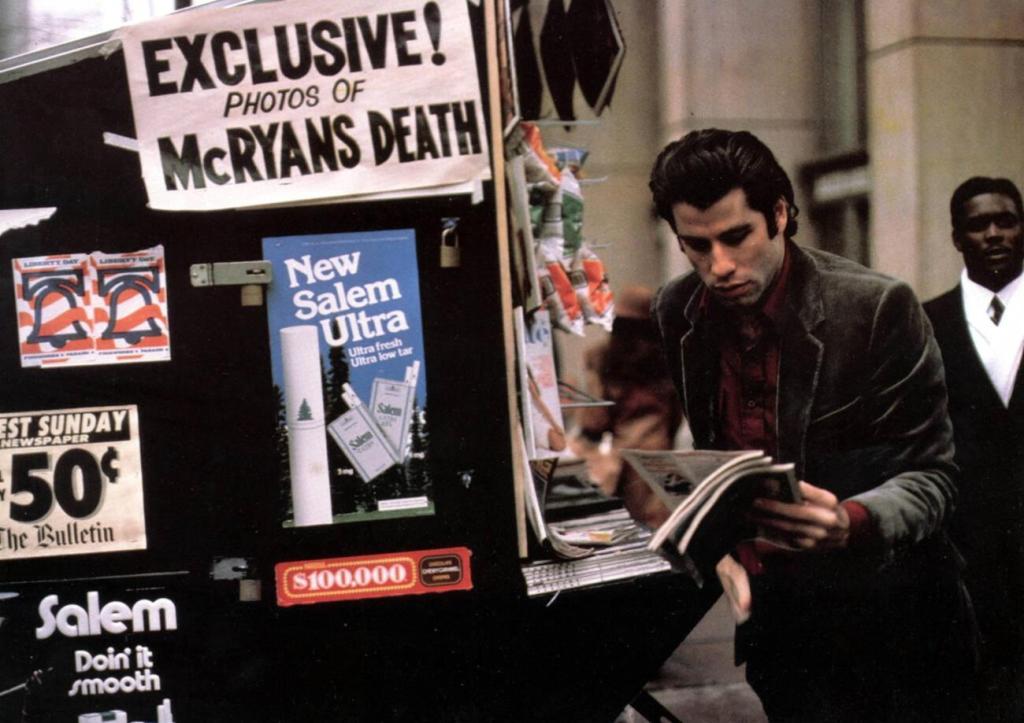
The set pieces are pure De Palma, but their effect has shifted. A sequence involving a misused TV remote triggering a street-level slaughter of rapists by our heroine escalates into a revenge fantasia that feels like Abel Ferrara’s Ms. 45 restaged by Jacques Tati. Cross-cutting, which in Casualties of War, Dressed to Kill, and Blow Out lengthens suffering into opera, here becomes comic ballet—precision timing deployed to mischievous ends. A slow-motion flourish might delay a trauma in Chapel, but might also set up a good-humored punchline.
And through it all, De Palma winks, acknowledging his influences even as he outpaces them. Hitchcock isn’t just referenced but audaciously repurposed, with The Man Who Knew Too Much (1956) serving as a structural keystone, its concert-hall climax reimagined as both homage and metafictional game. One of the script’s wryest nods is its gaggle of bleach-blonde Mexican ladies standing in for Hitchcock’s archetypal icy blondes—a sly visual pun that collapses reverence into satire. It’s both parody and tribute: De Palma referencing the master while rewriting the performance, conducting from within the score even as he scrambles its time signature.
The DNA of Ambrose Chapel is deeply De Palma, but the tone is surprisingly giddy, even liberatory. Raising Cain had rekindled this playfulness, largely dormant for nearly a decade, while Ambrose Chapel lets De Palma’s wildest, most unrestrained impulses run riot. This is a filmmaker rediscovering pleasure, not only in narrative construction, but in the possibilities of visual storytelling embedded in the screenplay. It revels in cross-cutting sequences, image-driven narrative (the collection of destroyed figurines, a sky full of colorful balloons) and moments that invite full-blown operatic excess, including detailed, complex climactic staging of an actual opera, Tosca. And this visual exuberance is in service of material that grows lighter, not darker, as it unfolds. Rather than culminating in violence or despair, Ambrose Chapel builds toward confusion, absurdity, and a kind of comic release, a rare tonal inversion in De Palma’s body of work, and a tantalizing glimpse of a master playing against his own shadow.
A New Grace Note
For all its playfulness, the screenplay also carries an unexpected, eccentric tenderness. De Palma, so often accused of pure cynicism, subjects his heroine to considerable hardship, yet gradually adopts a more protective and empathetic stance toward her. Unlike Carrie, Dressed to Kill, or The Fury, which end in rupture and rage, Ambrose Chapel arcs toward grace. The woman, manipulated by men both good and bad throughout the film with a metaphoric “kiss,” asserts her authority with a literal kiss as the film fades to black.
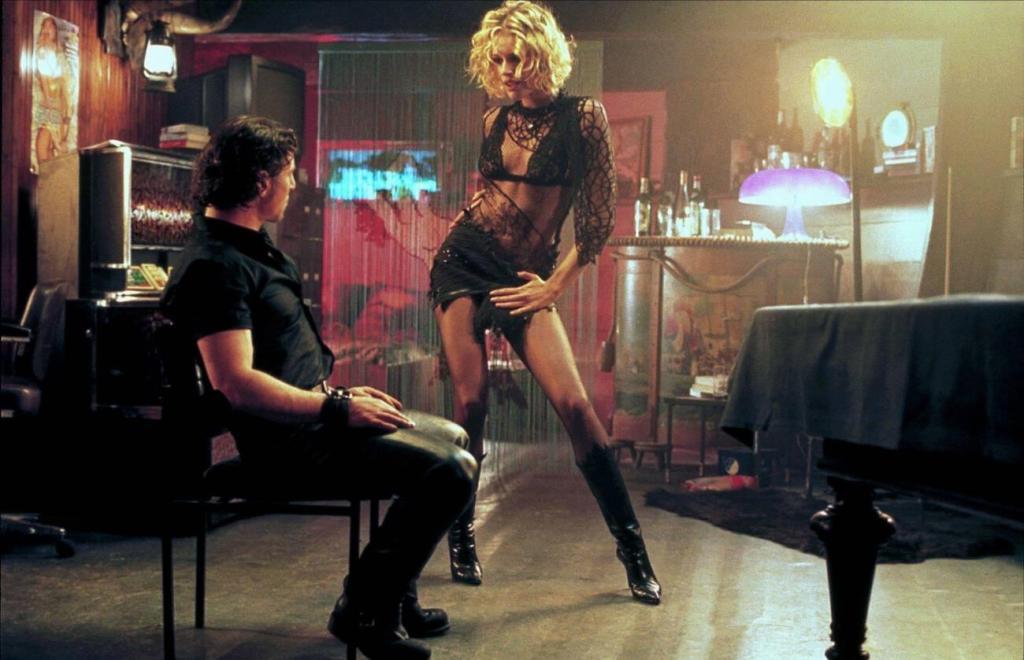
It anticipates the tonal evolution that blooms fully in the later Femme Fatale, Mission to Mars, and Snake Eyes, where De Palma’s lush, calculating style coexists with a flicker of romanticism in uneasy but compelling harmony. That same tonal friction (between menace and exuberance, paranoia and play) finds its imagined mirror in the screenplay’s vibrant setting. Mexico City, as envisioned in Ambrose Chapel, broods with surveillance and danger, yet pulses with energy and sensual unpredictability. We can only theorize how De Palma might have rendered it onscreen, but the script suggests a city he would have painted like a baroque master: ornate, theatrical, and full of shadowed depths. Not documentary realism, but cinematic myth. Mexico City is “a place that has always fascinated me,” he notes in his brief discussion of Chapel in De Palma on De Palma, his book-length conversation with Laurent Bouzereau and Samuel Blumenfeld (Sticking Place Books, 2025), and here it becomes not just a backdrop but a collaborator in the film’s tonal architecture, offering itself as a labyrinthine stage for misdirection, revelation, and reversal.
Ultimately, Ambrose Chapel is not just a revelatory, thrilling screenplay: it is a vital hinge in De Palma’s artistic development. It reframes his familiar themes (doubling, surveillance, manipulation) not as traps, but as tools for his heroine’s ultimate liberation. It may never have been filmed, but it now can be read, studied, and imagined. De Palma is a master of visual form, and while the thrilling, audacious ways he might have staged Chapel’s baroque twists, its virtual reality recreations and outré set-pieces, remain beyond our reach, we are, in a sense, granted something rarer: a glimpse of his vision unimpeded, untouched by studio interference, ratings boards, budgetary constraints, or difficult or miscast actors. Speaking of actors, early published discussions around the project attached names as disparate as Madonna and Téa Leoni to the overtaxed protagonist, with Brad Pitt envisioned as the scrupulous psychologist and Liam Neeson and Martin Sheen in pivotal supporting roles. One of the peculiar pleasures of reading an unproduced screenplay is that, even as we are deprived of De Palma’s indispensable staging of the action, the text invites a speculative cinema: a private casting session in which multiple performances flicker into being, each reshaping the drama in the reader’s mind.
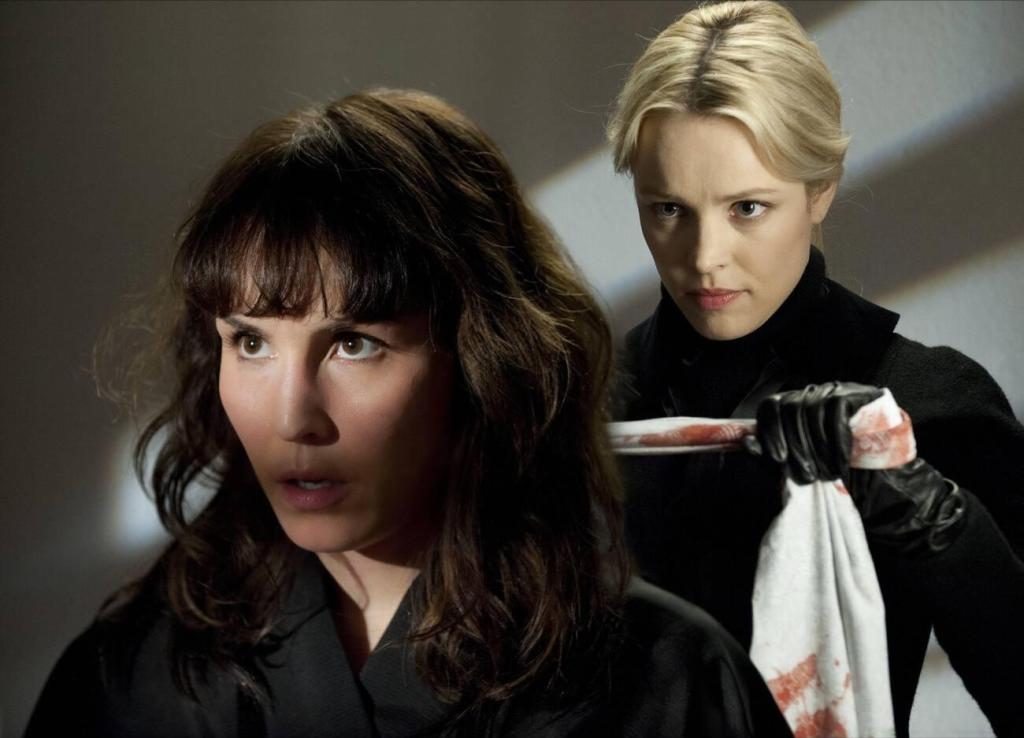
Chapel is a missing movement between Raising Cain and Femme Fatale, a romantic thriller laced with comic energy, but cloaked in the mask of espionage and threaded through the psychological shadows of Dressed to Kill, Blow Out, Sisters and the unjustly critically marginalized Passion (2012) with its themes of doubling and manipulation. Chapel’s humor is rarely foregrounded, it instead glimmers at oblique angles, slipping in under cover, buried beneath conspiracies, surveillance, and fractured psyches. And yet beneath its tonal playfulness lies a striking political provocation: in 1994, De Palma imagined a villain who, unable to win an election fairly, conspires with shadowy elites and advanced technology—here, virtual reality—to manipulate the democratic process, while proposing to build a wall along the Mexican border. While the character may have then drawn inspiration from Texas industrialist Ross Perot’s 1992 presidential campaign, the script’s eerie 1994 premonition of Donald Trump underscores how acutely De Palma understood the theatrical nature of American politics—and how deeply he anticipated its darkest turns. Ambrose Chapel is De Palma at his most elusive and inventive, a cinematic sleight of hand preserved not on celluloid but in blueprint: a masterwork scribbled in invisible ink, awaiting the right light to reveal its design.
With Chapel, De Palma doesn’t abandon control; he reorients it, pulling the strings with joy instead of dread. If Casualties of War was a requiem (mournful, solemn, morally unyielding), then Ambrose Chapel, now unveiled, is his scherzo (spry, subversive, and laced with grace notes). The tempo has shifted, but the maestro remains, still conducting sensation, still orchestrating surprise, and still insisting that we listen closely.
Brian De Palma’s Ambrose Chapel is available from Sticking Place Books.



 Tremble...Sigh...Wonder...
Leave a comment