
By James Kenney
Full Moon Fever is an atmospheric contemporary werewolf film that brings clear love for the genre to audiences in a modern B-movie throwback, right down to its abbreviated 75-minute running time, perfect for a double-feature with a Val Lewton flick or even Eric Red’s modern werewolf tale Bad Moon with Michael Pare, also about an hour and a quarter. Directed by veteran regional filmmaker David Lee Madison, whose most famous film is Mr. Hush, available on Tubi and a Kino Lorber home media release, Fever blends elements of suspense, horror, comedy and drama, catching the eerie beauty of the deep Northeastern forestry Madison clearly knows well.
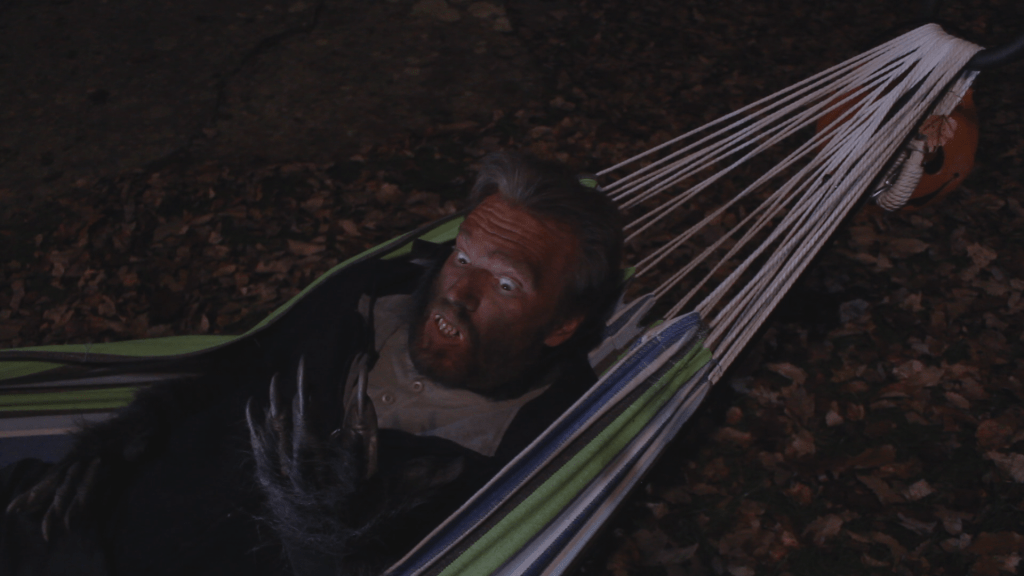
The film’s strength lies in its capacity to balance traditional werewolf lore with a personal narrative of a man’s mental decline following tragedy; at some level, the film could be seen as metaphoric as Mike Nichols’ Wolf. Instead of relying on gratuitous violence, Full Moon Fever delves into the psychological and emotional attributes of its protagonist’s lycanthropy. Madison is a humanistic director who likes his characters, and counter to modern sensibilities prefers long extended takes that allows them to live and breathe in the film’s environment, although perchance this occasionally limits his ability to craft their performances through editing, exposing some of the weaker non-professionals. Other than Madison himself, who was the lead in his previous man-against-nature film Wit’s End, the most recognizable face in the film is the agreeable Scott Schiaffo from Kevin Smith’s Clerks, playing a doctor showing sympathy for Madison in his plight (Schiaffo also supplies much of the music). Marianne Hagan, best known for a role in one of the Halloween sequels, is professional in her part as Madison’s dead wife, and Amanda Madison, playing the protagonist’s daughter, has an easy rapport with Madison, little wonder as she’s his real-life daughter.
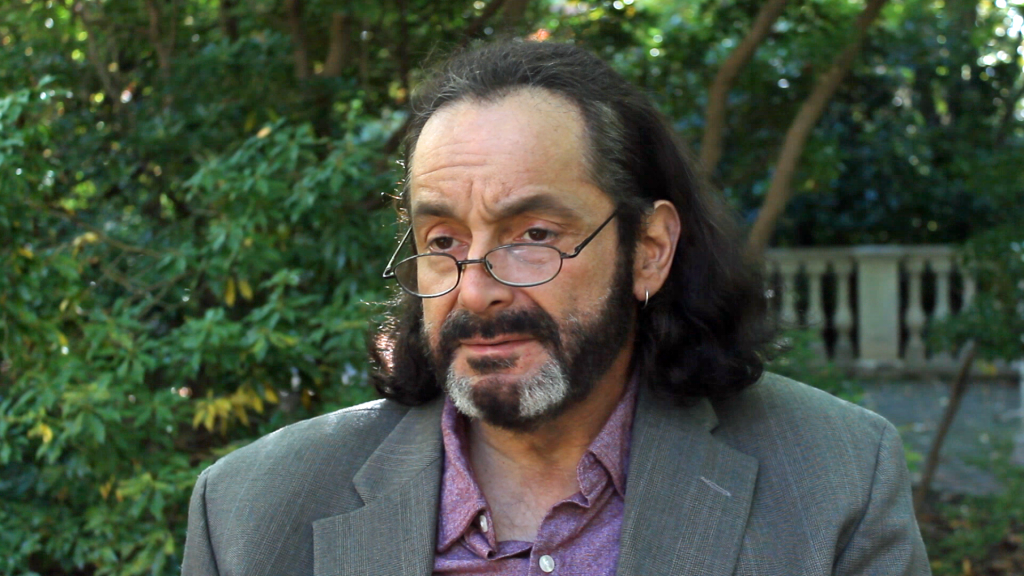
The film is a bit cyclical in structure in that it takes the protagonist Hunter Dunne some time to submit to his lycanthropic fate as we focus principally on his psychological state for the prevalence of the film’s running time, as he has recurrent creepy blackout dreams featuring dancing clowns, his dead wife, and little hooded figures who live in trees. The film provides sinister images such as bleeding carved pumpkins and the use of practical effects for the werewolf transformations adds a visceral and authentic feel to Dunne’s plight, harking back to classic horror techniques. No CGI here. The sound design is another creditable aspect, as sound can often be the most careless aspect of low-budget filmmaking.
Madison, who also made the documentary Middle Village, is sympathetic in his portrayal of the reluctant werewolf which is good because the film is fairly underpopulated and he does perhaps have a too laid-back style of filmmaking for some tastes; after first being bitten we have a rather-extended montage sequence of Dunne doing yardwork that doesn’t seem to provide much in the storytelling department. While using his pretty location (likely his actual home) to good effect, it seems designed to showcase a featured song more than extend the story in any meaningful way.
Once the werewolf mayhem begins, we have an agreeable increase in the stakes and other characters introduced early in the film reemerge, although whether due to economics or creative decision the period of Dunne’s actual rampage as a werewolf is somewhat condensed, which is a bit of a disappointment. I like the slow-burn old-school style of storytelling here, but once it finally gets where its going, it doesn’t spend much time reveling in the “Full Moon Fever” Dunne is experiencing. A little less chopping wood and leaf blowing a little more of the werewolf causing havoc on the local town would have been welcome, and not necessarily in a budget-blowing way. The werewolf’s assault on a comic book store where his friends and daughter gather could have been extended without necessarily needing to enlarge the cast or spring for additional locations.

Full Moon Fever is not without its flaws. Some viewers may find certain plot points predictable, and the film does take its time getting to essentially where you think it’s going all along. The dream sequences feasibly could have been trimmed while the actual werewolf sequence prolonged. But, in conclusion, Full Moon Fever is an amiable addition to the long history of werewolf movies. With some atmospheric visuals, a solid werewolf costume, and the primal man-giving-in-to-his-inevitable-nature theme, Full Moon Fever is a gently diverting foray into the formulaic, with its atmospheric flourishes battling a stereotypical story.

 Tremble...Sigh...Wonder...
Leave a comment